High Blood Pressure During Pregnancy: Symptoms, Causes, Risks & Care
Pregnancy is a time when regular health check-ups become especially important. Along with monitoring the baby's growth, doctors also keep an eye on the mother's blood pressure. High blood pressure during pregnancy can sometimes develop for the first time during pregnancy and may require close medical monitoring.

Understanding the warning signs, possible causes, and available care can help expecting mothers take the right steps and seek medical attention when needed.
What Is High Blood Pressure During Pregnancy?
High blood pressure, also called hypertension, means that the pressure of blood against the walls of the blood vessels is higher than normal.
During pregnancy, high blood pressure can occur in different forms. Some women may already have hypertension before becoming pregnant, while others develop it during pregnancy. In some cases, high blood pressure may be linked with preeclampsia, a pregnancy complication that requires medical attention.
Because high blood pressure may not always cause symptoms, regular prenatal check-ups are important.
What Causes High Blood Pressure in Pregnancy?
There may not always be one clear cause. Several factors can increase the risk, including:
- A history of high blood pressure
- Previous preeclampsia or pregnancy-related hypertension
- A first pregnancy
- Being overweight or having obesity
- Having twins or multiple babies
- Certain medical conditions
- A family history of pregnancy-related high blood pressure
Having a risk factor does not mean that a woman will definitely develop hypertension during pregnancy.
Symptoms to Watch For
High blood pressure may not cause any obvious symptoms. However, certain symptoms can be warning signs of a serious pregnancy complication.
Contact your healthcare provider promptly if you experience:
- Severe or persistent headache
- Changes in vision
- Sudden swelling, particularly of the face or hands
- Severe pain in the upper abdomen
- Difficulty breathing
- Sudden or unusual weight gain
These symptoms can have different causes, but during pregnancy they should not be ignored.
How Is High Blood Pressure Diagnosed?
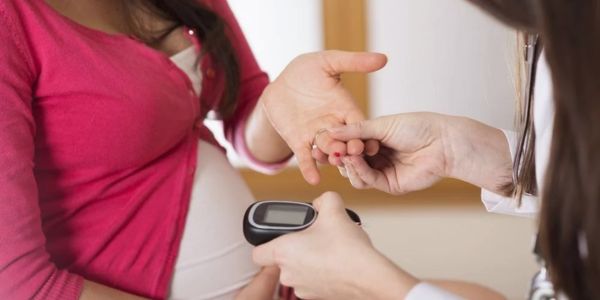
Blood pressure is routinely checked during prenatal appointments. Your healthcare provider may also recommend urine or blood tests and other examinations if your blood pressure is elevated or if you have concerning symptoms.
If hypertension is diagnosed, your doctor may monitor your blood pressure more frequently and check your overall health and your baby's development.
Can High Blood Pressure Affect Pregnancy?
Uncontrolled high blood pressure can increase the risk of complications for both mother and baby. Depending on the severity and type of hypertension, it may affect the baby's growth or increase the risk of premature delivery and other pregnancy complications.
This is why early detection and regular medical supervision are important.
How Is High Blood Pressure Managed During Pregnancy?
Treatment depends on the type and severity of hypertension and the stage of pregnancy.
Your healthcare provider may recommend:
Regular Monitoring
Frequent blood pressure checks can help your doctor understand whether your condition is stable or requires additional treatment.
Healthy Lifestyle Habits
A balanced diet, appropriate physical activity, adequate rest, and following your healthcare provider's recommendations can support overall pregnancy health.
Medicines When Needed
Some women may require blood pressure medication during pregnancy. Never stop an existing blood pressure medicine or start a new medicine without consulting your doctor.
Additional Pregnancy Monitoring
Your healthcare team may recommend additional appointments, blood tests, ultrasound examinations, or fetal monitoring depending on your condition.
Frequently Asked Questions
1. Is high blood pressure normal during pregnancy?
High blood pressure should not simply be considered a normal part of pregnancy. If your blood pressure is elevated, your healthcare provider should evaluate it.
2. Can high blood pressure during pregnancy have no symptoms?
Yes. Many women with high blood pressure do not feel unwell. Regular prenatal blood pressure checks are therefore very important.
3. Can high blood pressure affect the baby?
Uncontrolled hypertension can increase the risk of problems such as restricted fetal growth and premature birth. Your doctor can monitor your baby's development.
4. What is preeclampsia?
Preeclampsia is a pregnancy complication involving high blood pressure and signs that organs may be affected. It requires medical assessment and monitoring.
5. Can I exercise if I have high blood pressure during pregnancy?
The right amount and type of activity depends on your individual condition. Always ask your healthcare provider before exercising if you have pregnancy-related hypertension.
6. Should I reduce salt during pregnancy?
Do not make major dietary changes without medical advice. Your doctor or dietitian can recommend an appropriate pregnancy diet based on your health needs.
7. Can high blood pressure go away after delivery?
Some pregnancy-related hypertension improves after childbirth, but follow-up is still important. Your healthcare provider will advise you about postpartum monitoring.
8. When should I seek urgent medical care?
Severe headache, vision changes, severe abdominal pain, difficulty breathing, or other concerning symptoms during pregnancy require prompt medical evaluation.
Conclusion
High blood pressure during pregnancy needs proper attention, but regular prenatal care can help identify and manage it early. Checking blood pressure, following your doctor's advice, taking prescribed medicines correctly, and reporting warning symptoms can support a safer pregnancy.
If you have concerns about your blood pressure during pregnancy, consult a qualified healthcare professional rather than trying to manage it on your own.
Indus Health is committed to providing clear and reliable health information to help expecting mothers make informed healthcare decisions.


Comments
Post a Comment